Pediatric Dentistry
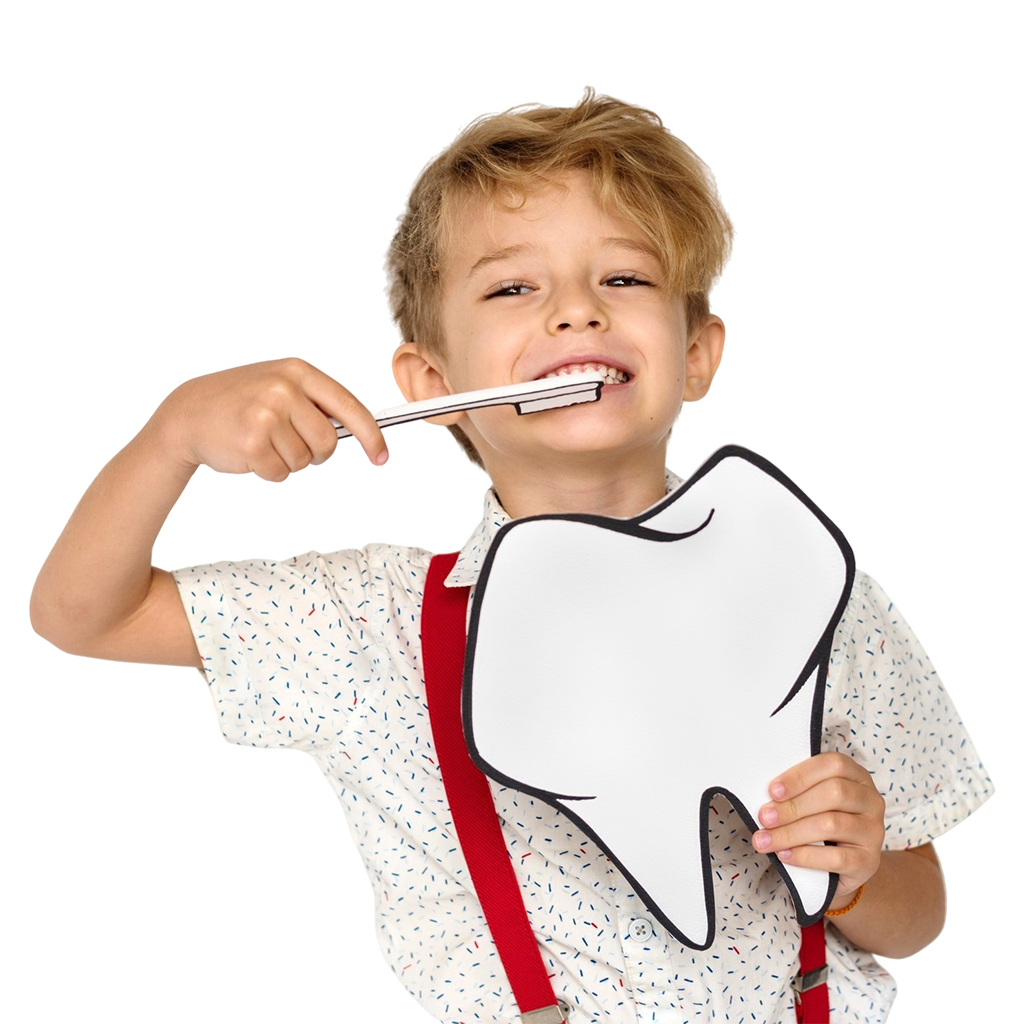
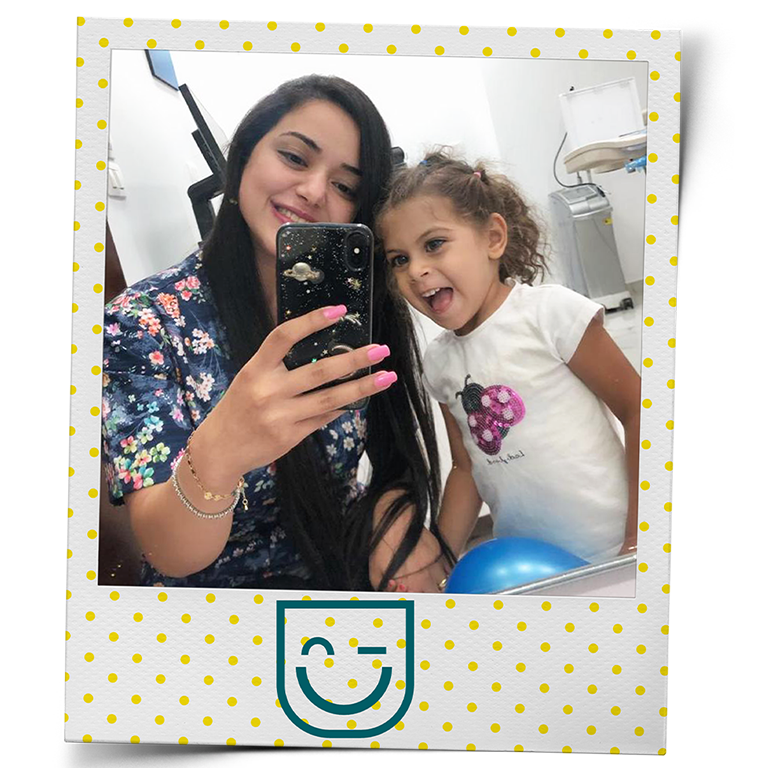
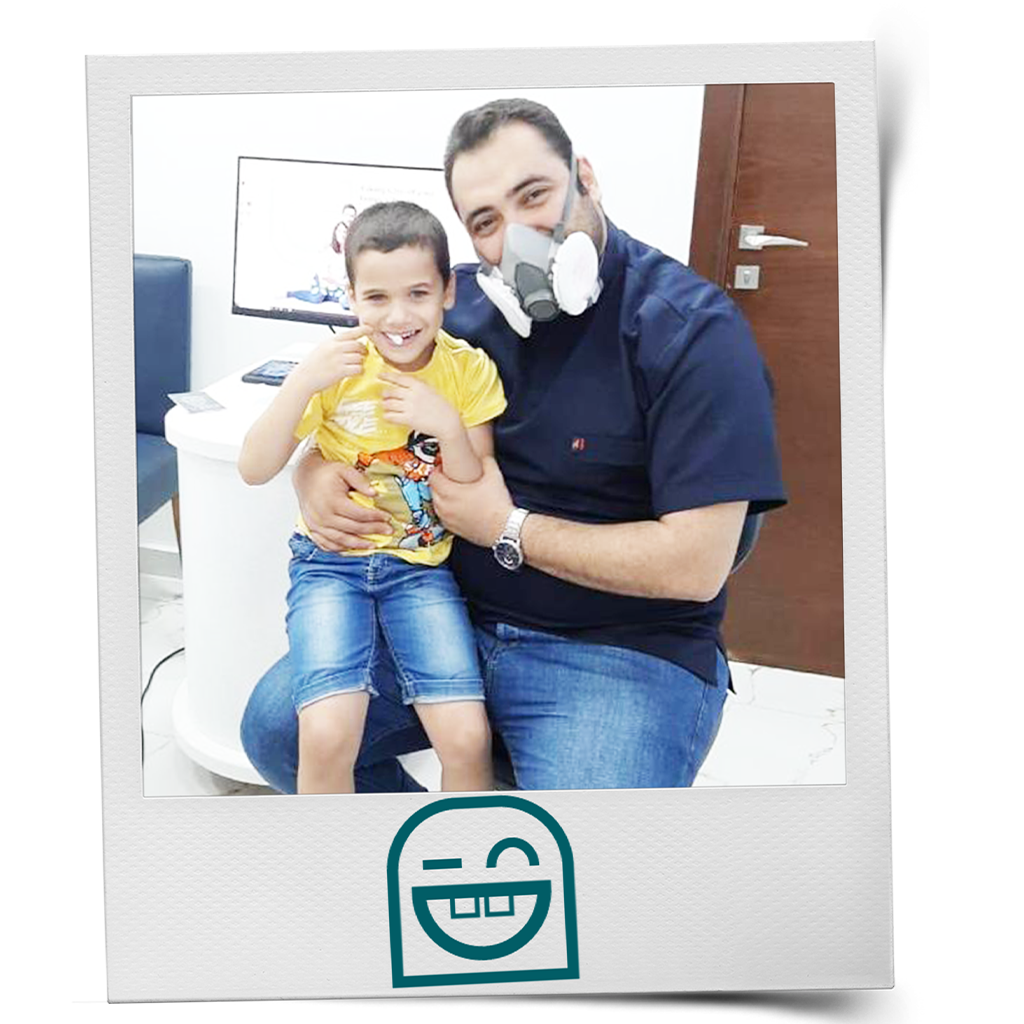
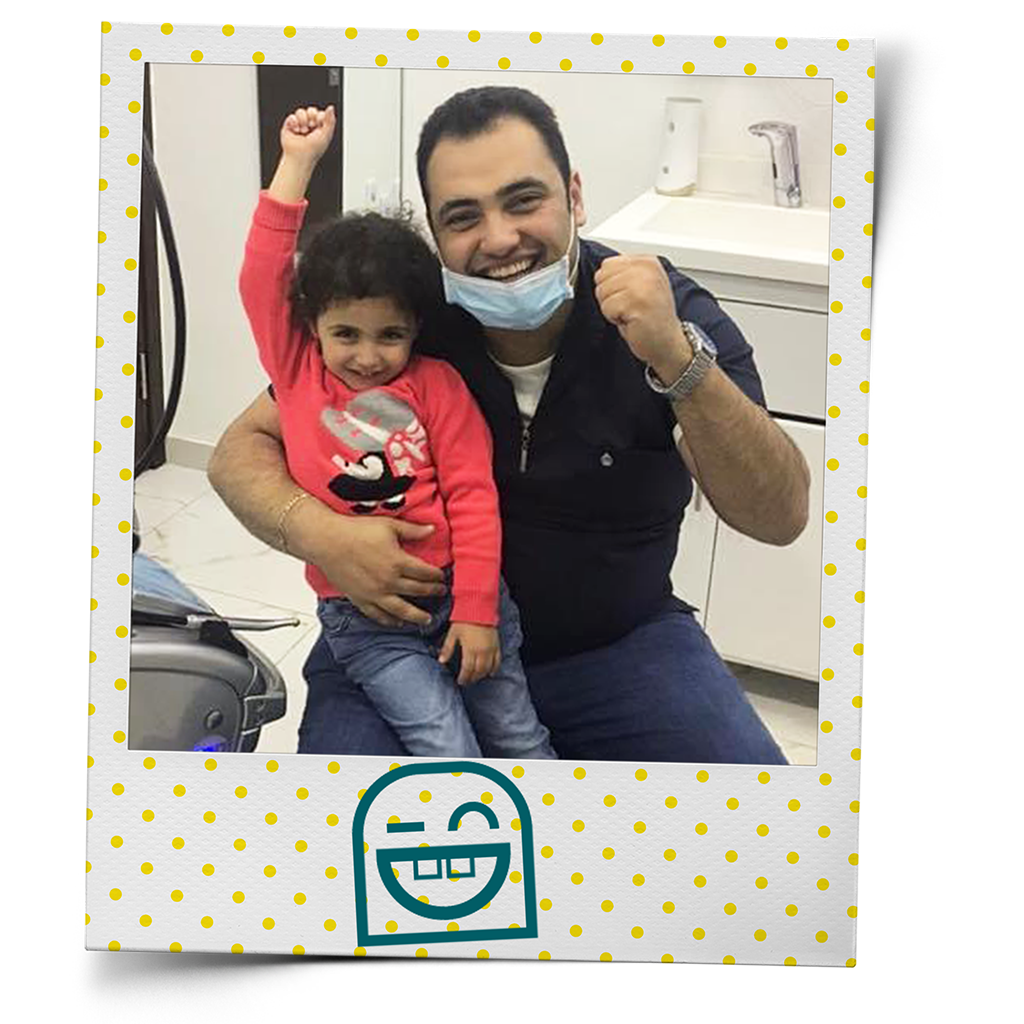
Healthy smiles start early. We focus on the oral health of infants, children, and adolescents, providing preventive and restorative dental care in a safe, friendly, and comfortable environment. Our team is dedicated to making every dental visit a positive experience while helping children develop healthy oral habits that last a lifetime.
Many children naturally feel anxious about dental clinics, which is why it’s essential to choose your child’s dental clinic carefully creating a fun, welcoming, and child-friendly treatment environment.
We recommend that children visit the dentist regularly for routine checkups, even if there are no complaints, to build a positive and friendly relationship between the child and the doctor.
We provide a full range of pediatric dental services, including standard fillings, partial and full root canal treatments, different types of crowns, and more.
We also offer the option of performing procedures under sedation or general anesthesia in an operating room with our specialized team when necessary.
Additionally, our clinics are equipped with a water laser device, which can be used to treat children without the need for anesthesia.
When should my child have their first dental visit?
Your child should have their first dental visit by their first birthday or within 6 months after the first tooth erupts, whichever comes first
How often should my child visit the dentist?
Most children should visit the dentist every six months for routine check-ups, professional cleaning, and preventive care.
How can I help my child feel comfortable at the dentist?
Speak positively about dental visits, avoid using scary words, schedule appointments when your child is well-rested, and choose a pediatric dental practice that provides a welcoming environment.
Why do children get cavities so quickly?
Several reasons:
- Frequent sugary drinks (especially juices)
- Nighttime feeding, where sugars stay on the teeth
- Poor brushing habits
- Genetics
We provide a detailed preventive plan for parents, including hygiene education and regular checkups.
Is treating baby teeth really necessary?
Why should baby teeth be treated if they will eventually fall out?
Even though baby teeth are temporary, keeping them healthy is crucial for your child’s overall oral health.
Before any treatment, we take an X-ray to check the expected timing of tooth replacement:
- If the tooth is about to fall out soon (within a few months), extraction might be the best option.
- If replacement will take more than 6 months, we treat it to preserve its space and prevent pain or infection.
Baby teeth may fall out—but their role before they do is essential!
Can cavities be treated without drilling?
How can I prevent cavities in my child?
- Brush twice a day with fluoride toothpaste.
- Floss daily once teeth touch.
- Limit sugary foods and drinks.
- Schedule regular dental check-ups.
- Consider fluoride treatments and dental sealants if recommended.
What is the best toothpaste for children?
There’s no single best brand, but we recommend toothpaste that:
- Contains fluoride in a safe amount (based on the child's age) to prevent cavities
- Has a flavor your child enjoys, to encourage regular use
For children under 6, use a very small amount (the size of a grain of rice or a pea) and supervise brushing.
Is fluoride safe for children?
Yes. Fluoride is safe and effective when used in the recommended amounts. It helps strengthen tooth enamel and reduce the risk of cavities.
What are dental sealants?
Dental sealants are thin protective coatings applied to the chewing surfaces of the back teeth to help prevent cavities.
What if my child knocks out a tooth?
If it's a baby tooth, contact your dentist immediately but do not try to reinsert it. If it's a permanent tooth, keep it moist (preferably in milk or saliva) and seek emergency dental care as quickly as possible.
Is thumb sucking harmful?
Thumb sucking is normal in young children, but if it continues beyond age 4 or 5, it may affect the alignment of the teeth and jaw development.
What ensures permanent teeth grow properly after a baby tooth is extracted?
If needed, we place a space maintainer to ensure the permanent tooth has enough room to grow in properly.
What is the WaterLase laser device?
It’s a modern device that uses a precise combination of water and air pressure instead of traditional drills, making it gentler on teeth and gums and significantly reducing pain.
It can be used for removing decay, opening nerve canals, and even gum surgeries—all with minimal noise and discomfort!
What are the uses of WaterLase?
WaterLase allows us to perform:
- All types of fillings, including nerve treatments for children
- With little to no pain
- Without needles or anesthesia in most cases
It’s a high-tech solution that makes dental visits more comfortable—especially for children and adults who fear traditional tools.
What types of crowns (caps) are available for children?
There are different crown types, chosen based on the tooth’s condition and aesthetic needs:
- Stainless steel crowns: Most common for back teeth. Strong and durable—ideal after nerve treatment. These are our recommended choice.
- White crowns (Zirconia or metal with white coating): More aesthetic, resembling natural teeth—mainly used for front teeth.
What’s the difference between white and silver fillings?
- White fillings: Blend with natural tooth color, ideal for front teeth. Aesthetic and safe.
- Silver (amalgam) fillings: Very strong and durable, mainly used in back teeth. Effective for withstanding heavy chewing forces.
Do baby tooth fillings fall out over time?
They are designed to last until the tooth falls out naturally. Regular checkups help ensure they stay in place.
Is nerve treatment painful for children?
Not at all. We use gentle techniques and local anesthesia, always considering the child’s comfort and emotional well-being.
Do you offer orthodontic treatment for children?
Yes, we do!
We monitor jaw and teeth development from an early age and provide early intervention and orthodontic solutions tailored to your child’s needs.
Early consultation = better long-term results!
Is your question not listed here?
Join our dedicated group for all dental-related inquiries—Dr. Andrew Wagdy himself will personally answer your questions:
👉 https://www.facebook.com/share/g/fSe9yV5LPBJDLiK2/