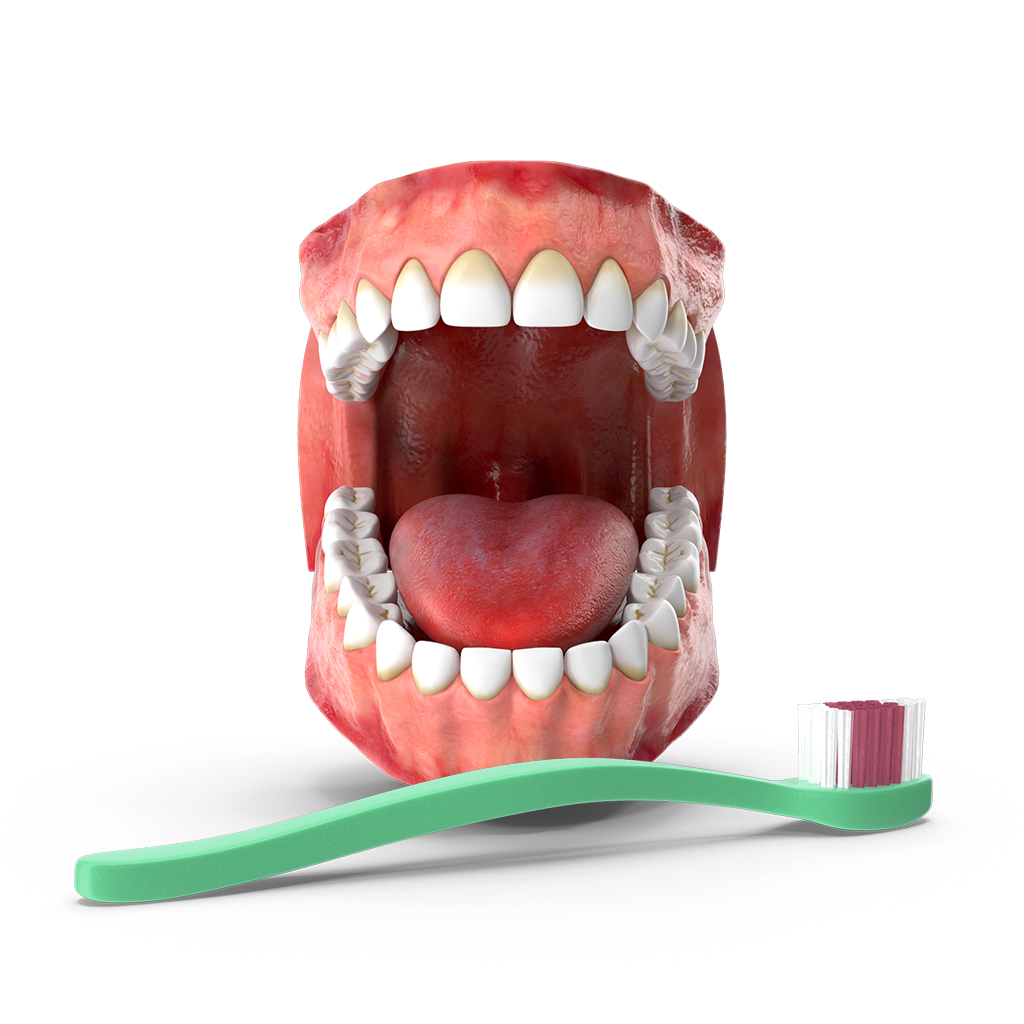
Healthy gums are the foundation of a healthy smile. Periodontology focuses on the prevention, diagnosis, and treatment of gum diseases, as well as the care of the supporting structures of the teeth. Our goal is to protect your oral health, preserve your natural teeth, and restore the health and appearance of your gums using advanced techniques and personalized treatment plans.

Common signs include:

  • Bleeding gums when brushing or flossing
  • Red, swollen, or tender gums
  • Persistent bad breath
  • Gum recession
  • Loose or shifting teeth
  • Pain while chewing

Bleeding gums are often an early sign of gum inflammation (gingivitis). They should not be ignored, as early treatment can prevent more serious gum disease.

The main cause is plaque buildup. Other risk factors include poor oral hygiene, smoking, diabetes, hormonal changes, genetics, stress, and certain medications.

Gingivitis can usually be reversed with professional cleaning and good oral hygiene. Advanced gum disease (periodontitis) can be managed effectively to stop its progression and preserve your teeth.

Teeth cleaning generally doesn’t cause pain, but some people might feel slight discomfort, especially if there’s a heavy buildup of tartar.

Yes. Untreated periodontitis can damage the bone and tissues supporting the teeth, eventually leading to tooth loss.

Brushing your teeth too aggressively can damage the gums and cause them to recede, as well as wear down the enamel and lead to tooth sensitivity. Take care of your smile with a gentle yet effective technique to maintain healthy teeth and gums!

You should change your toothbrush approximately every 3 months, or as soon as the bristles start to wear out. Regular replacement helps maintain effective cleaning and ensures a healthy, fresh smile at all times.

It’s recommended to have your teeth professionally cleaned every 6 months to maintain healthy teeth and gums.

  • Brush twice daily
  • Floss every day
  • Visit your dentist regularly
  • Avoid smoking
  • Maintain a healthy diet
  • Control medical conditions like diabetes

In most cases, gum treatment and teeth cleaning can be done in a single session, but more sessions may be needed if the gum condition is complex.

Yes. Smoking significantly increases the risk of gum disease, slows healing after treatment, and raises the risk of implant failure.

Yes, teeth cleaning helps eliminate the buildup of bacteria that causes bad breath.

Absolutely. Teeth cleaning is especially important for those wearing braces, as it helps remove food particles trapped around wires and brackets.

Cleaning your teeth at home is essential, but it's not enough to remove tartar and buildup that require professional cleaning by a dentist.

Research has shown links between gum disease and conditions such as diabetes, heart disease, and pregnancy complications. Maintaining healthy gums contributes to better overall health.

Yes, tartar buildup can lead to gum inflammation and other conditions that may affect your dental health.

Yes, gum treatment and dental cleaning can be performed for all ages, including seniors, to improve oral health and prevent diseases.

If gum inflammation is ignored, it may lead to more advanced gum diseases and even tooth loss in severe cases.

A medium toothbrush is ideal for daily use, while a soft toothbrush is recommended in cases of gum inflammation.

A dedicated group for answering all dental-related inquiries — join the largest group where Dr. Andrew Wagdy personally responds to every question.
https://www.facebook.com/share/g/fSe9yV5LPBJDLiK2/