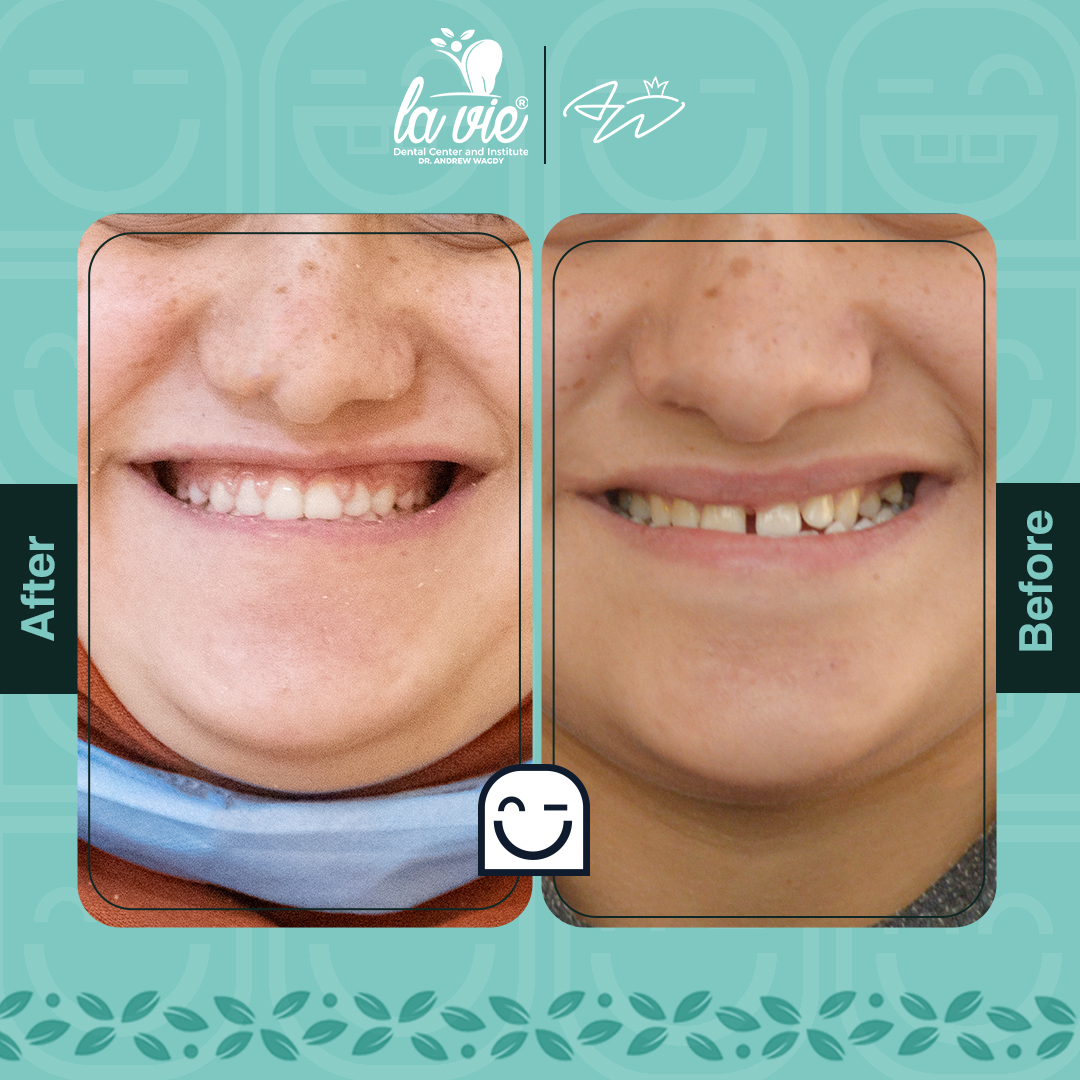
Orthodontics
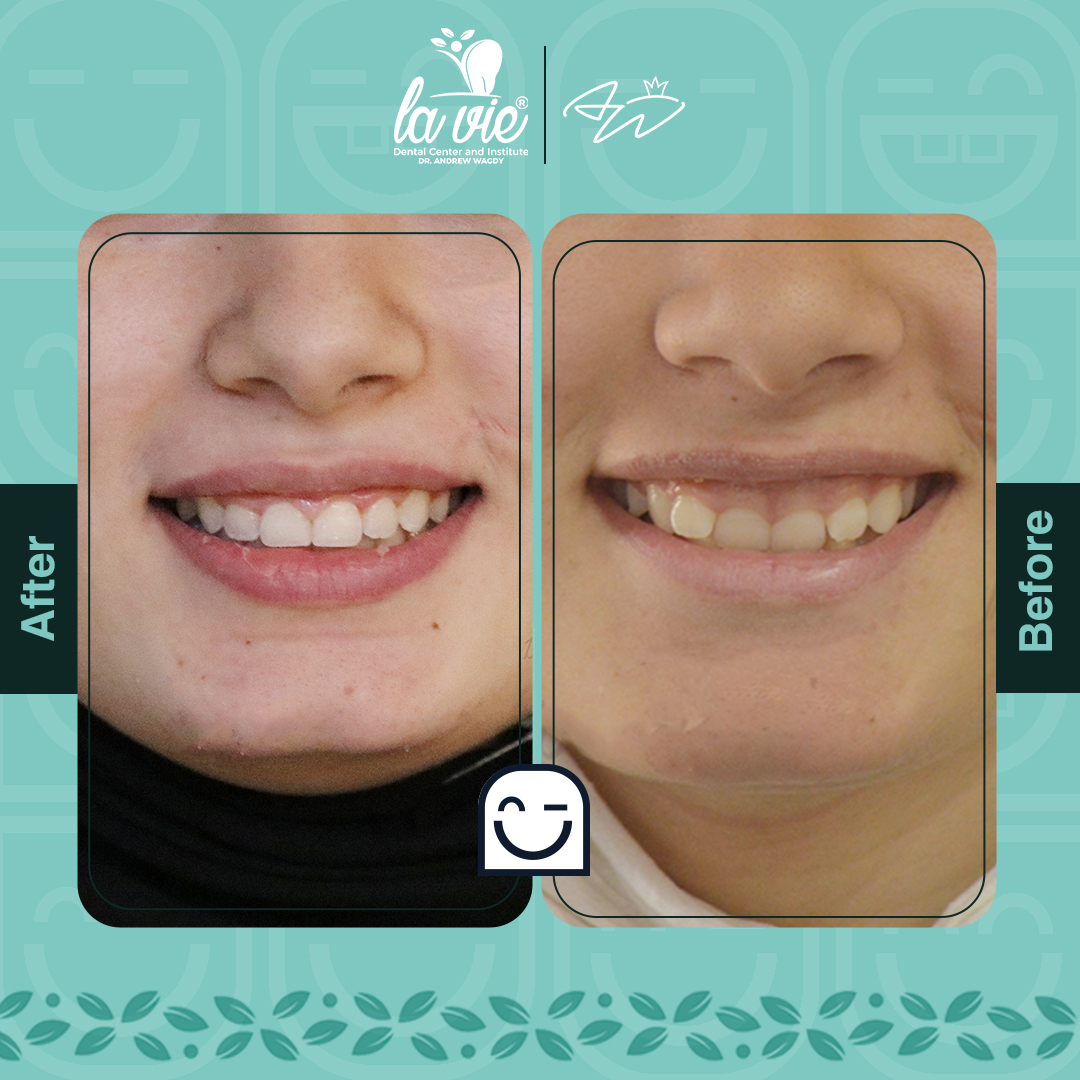
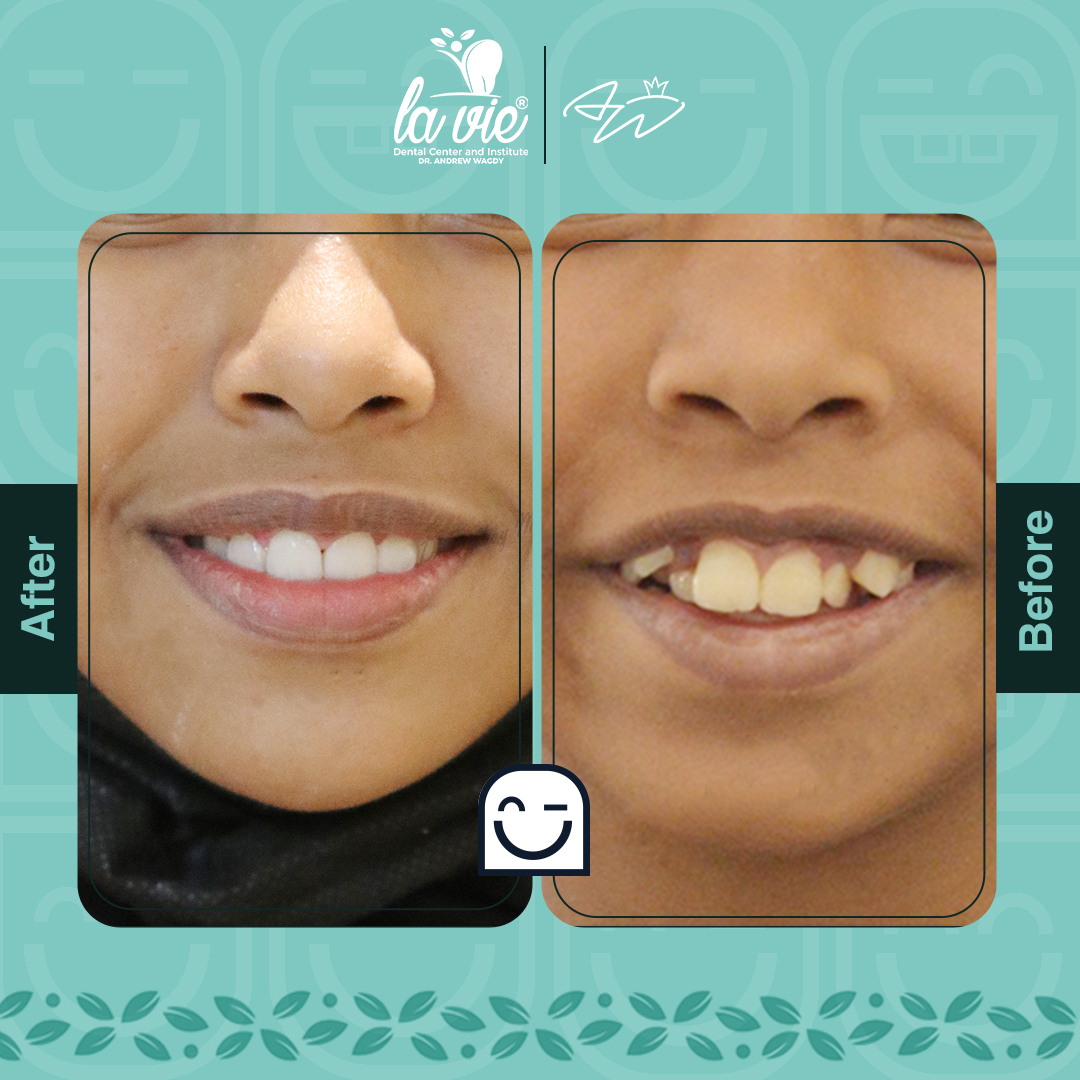
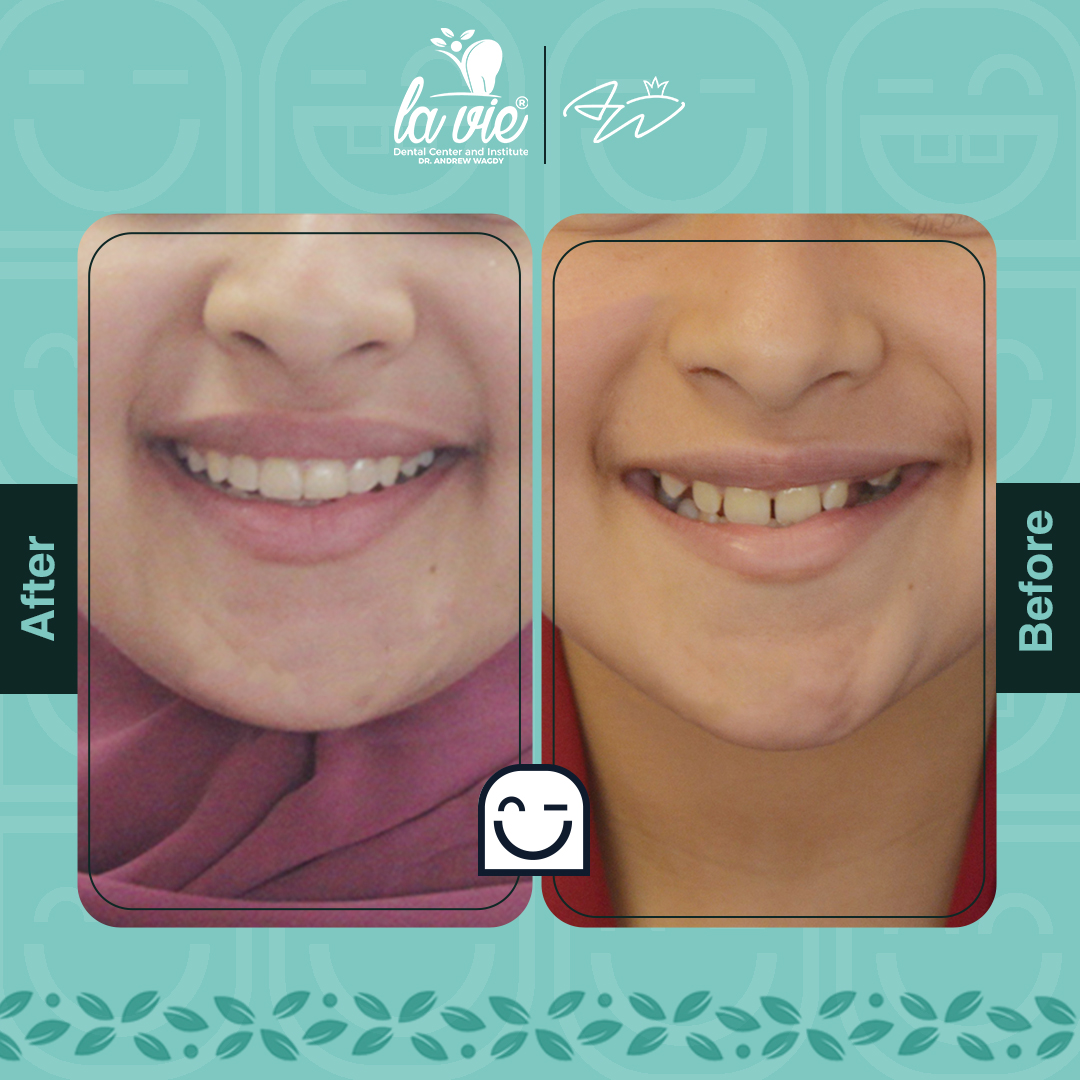
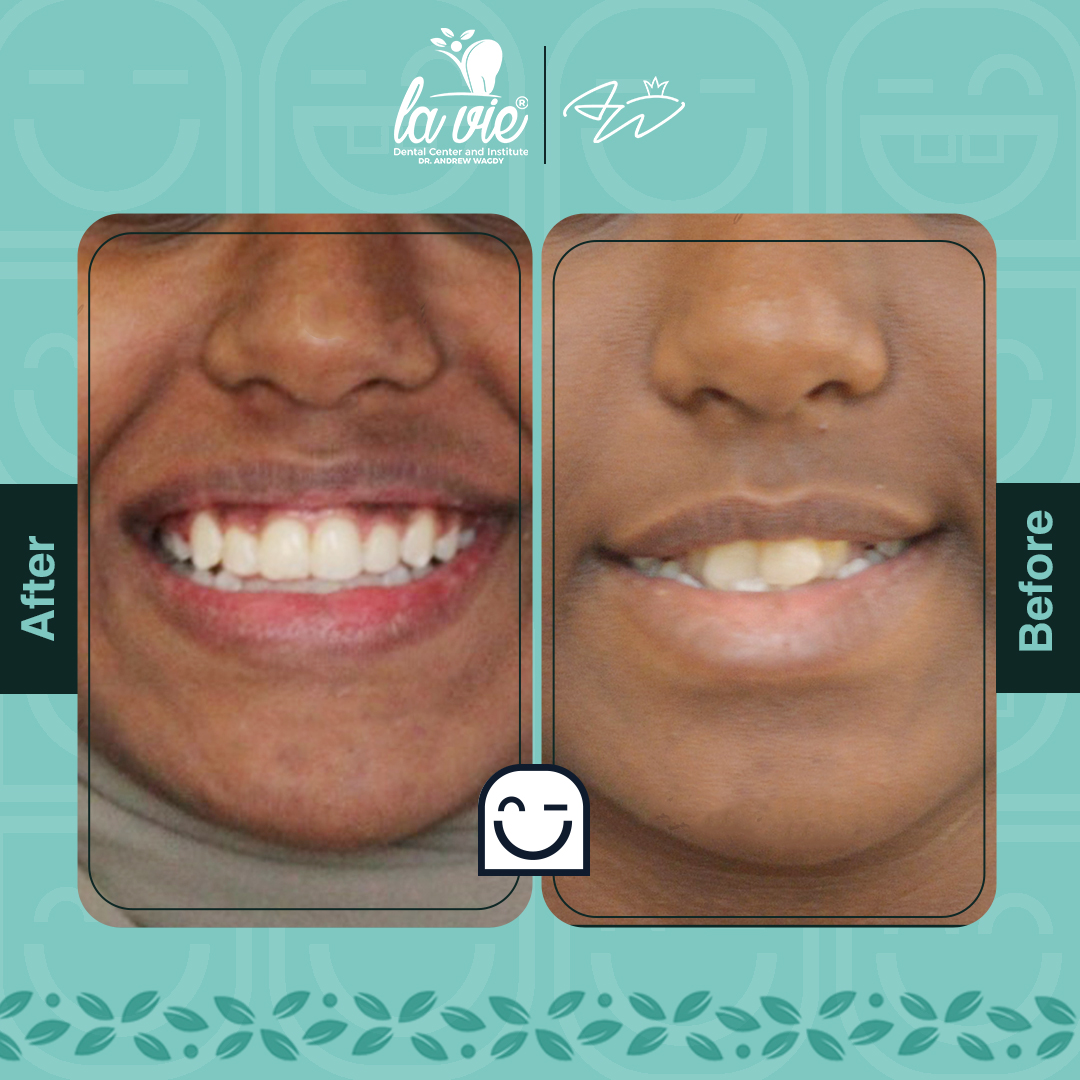
A beautiful smile begins with properly aligned teeth. Orthodontics is the dental specialty dedicated to diagnosing, preventing, and correcting misaligned teeth and jaw irregularities. We offer personalized treatment plans using modern orthodontic techniques to improve your smile, enhance oral function, and support long-term dental health for both children and adults.
At our centers, we offer comprehensive orthodontic solutions designed to help you achieve a healthy, beautiful smile—under the supervision of a team of specialized orthodontists.
Each treatment plan is fully customized based on your individual needs, with consistent follow-ups and direct communication with your treating doctor throughout the treatment period to ensure the best results.
We have a dedicated orthodontic department for both adults and children, offering a full range of options including metal and clear braces. The appropriate type is selected based on the clinical requirements and the patient's preferences—both medically and economically.
What Is Orthodontics?
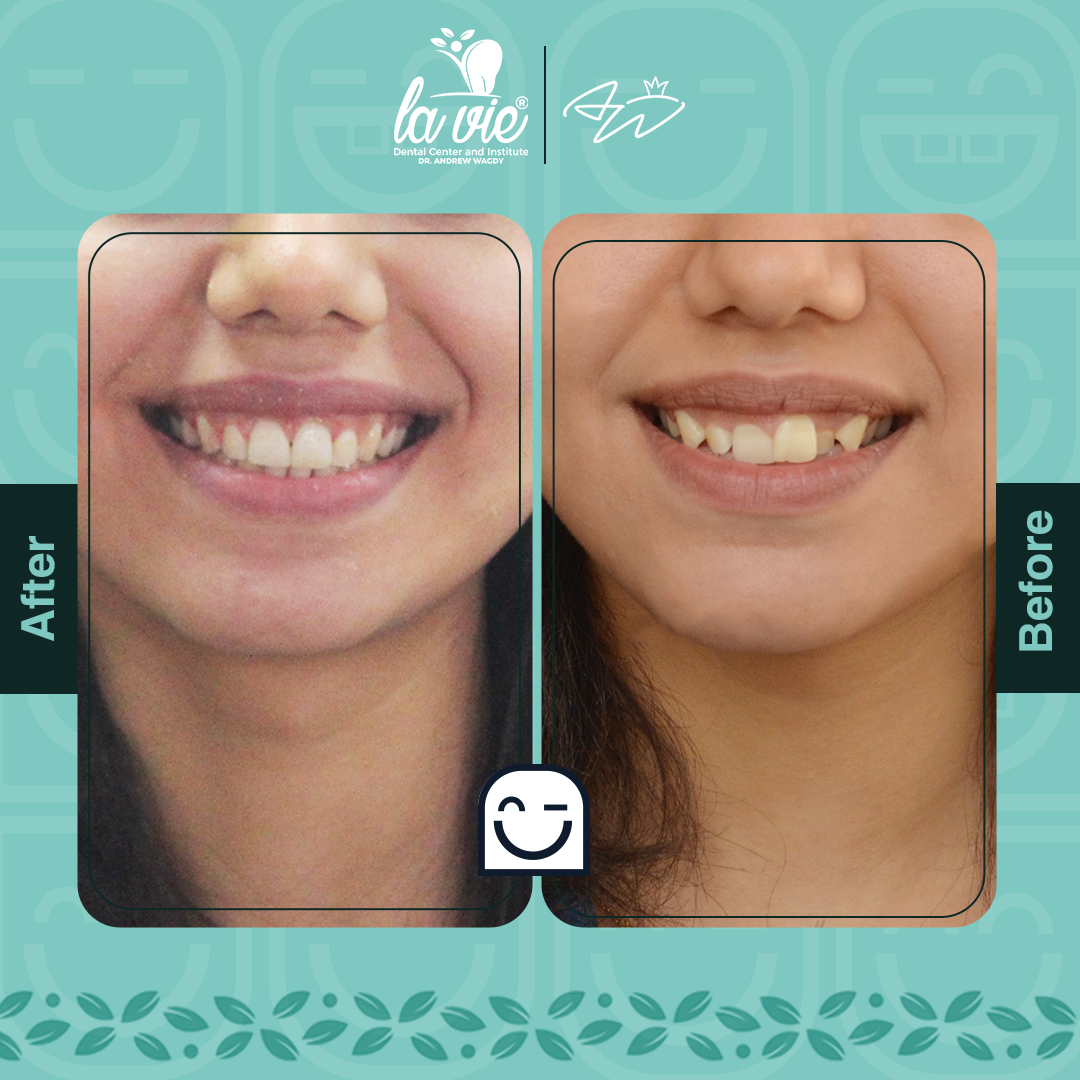
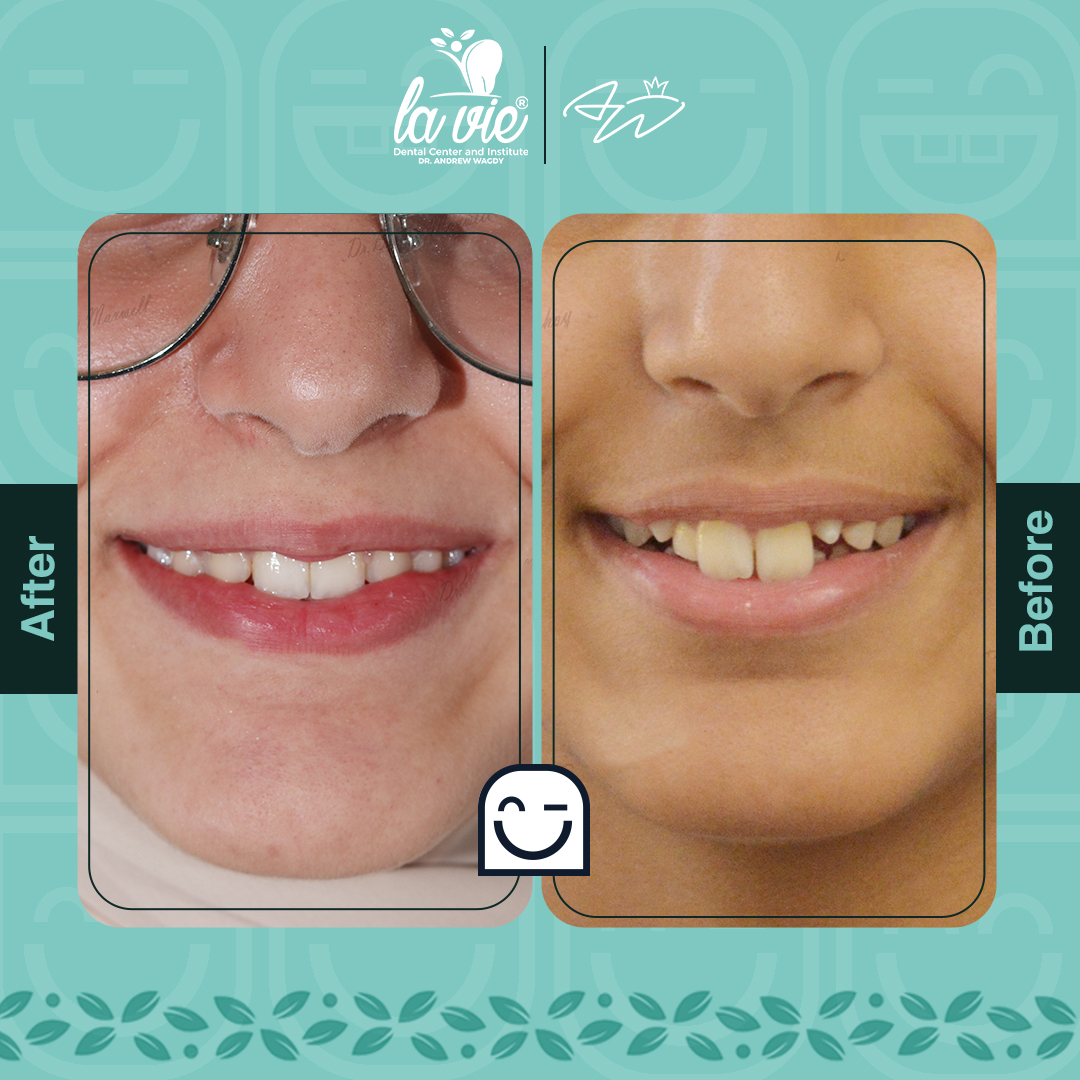
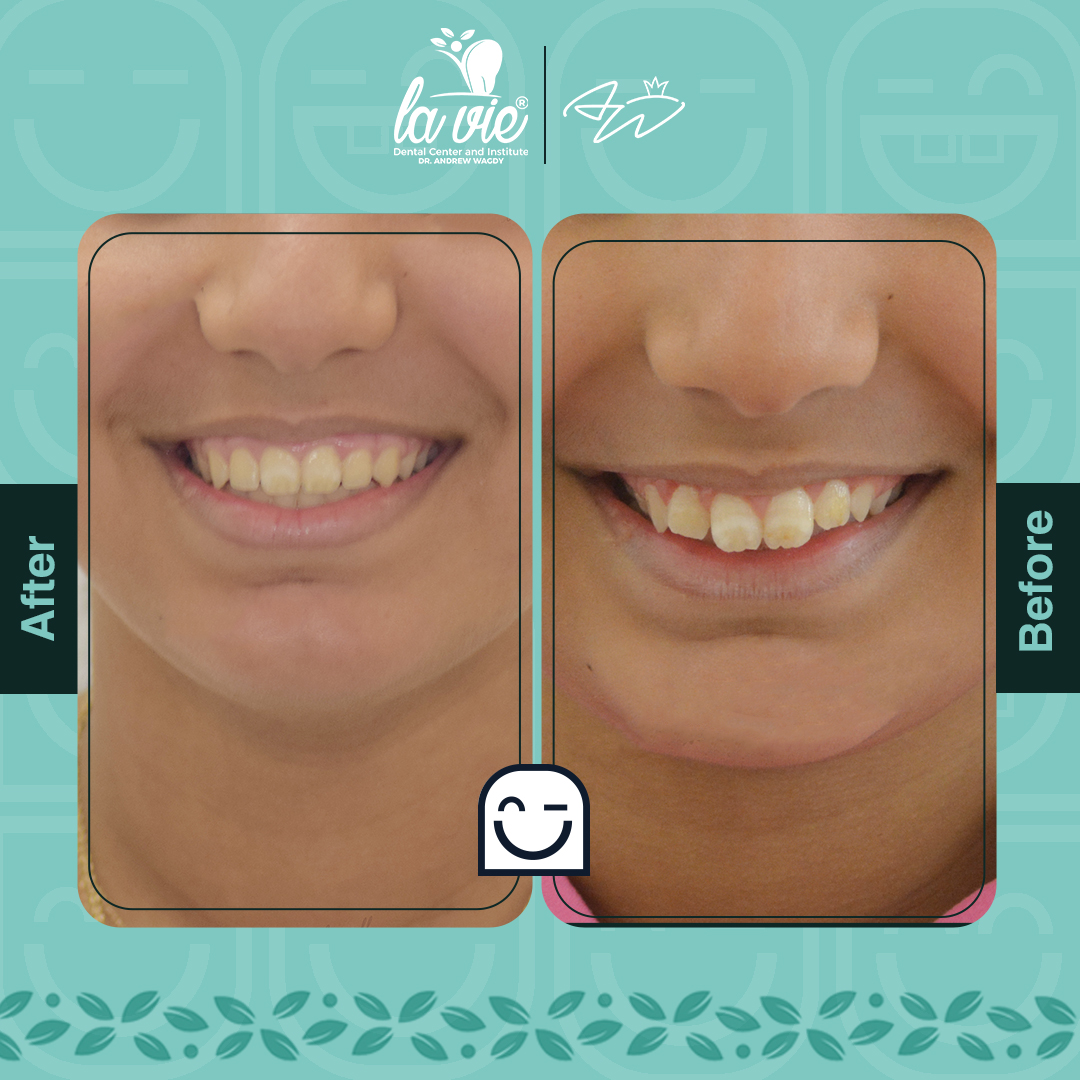
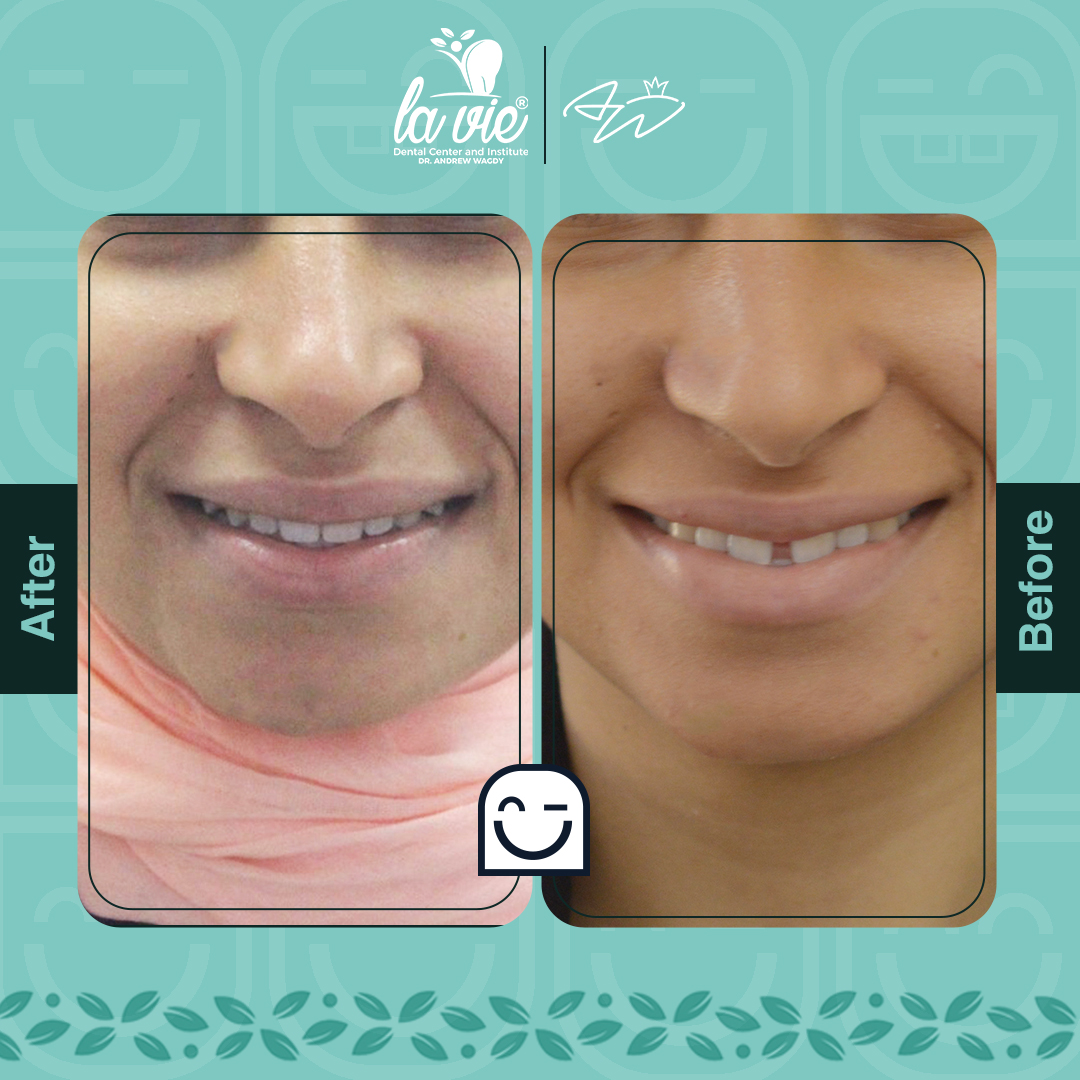
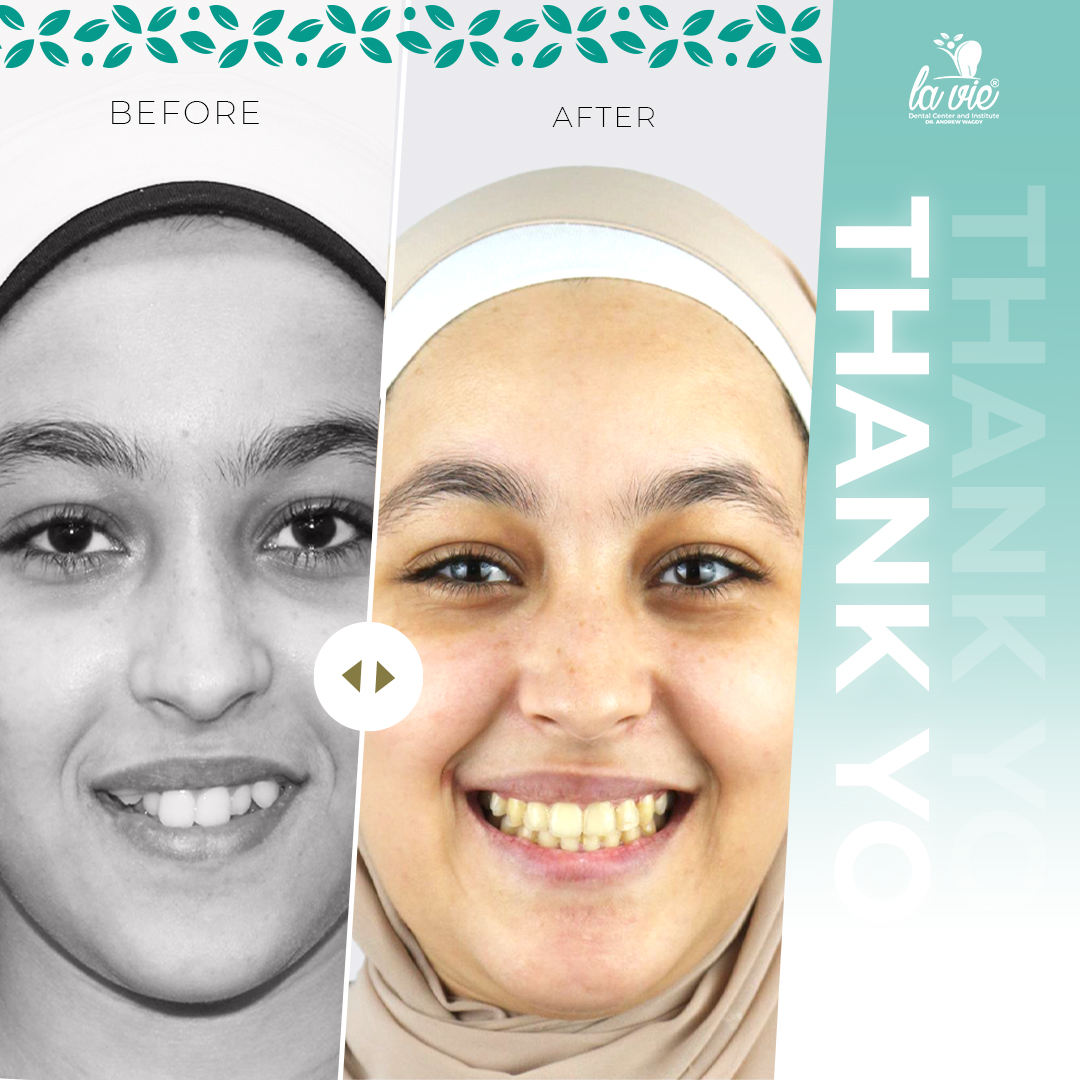
Orthodontics is a procedure that gradually moves your teeth using specialized appliances to treat a variety of common concerns, such as:
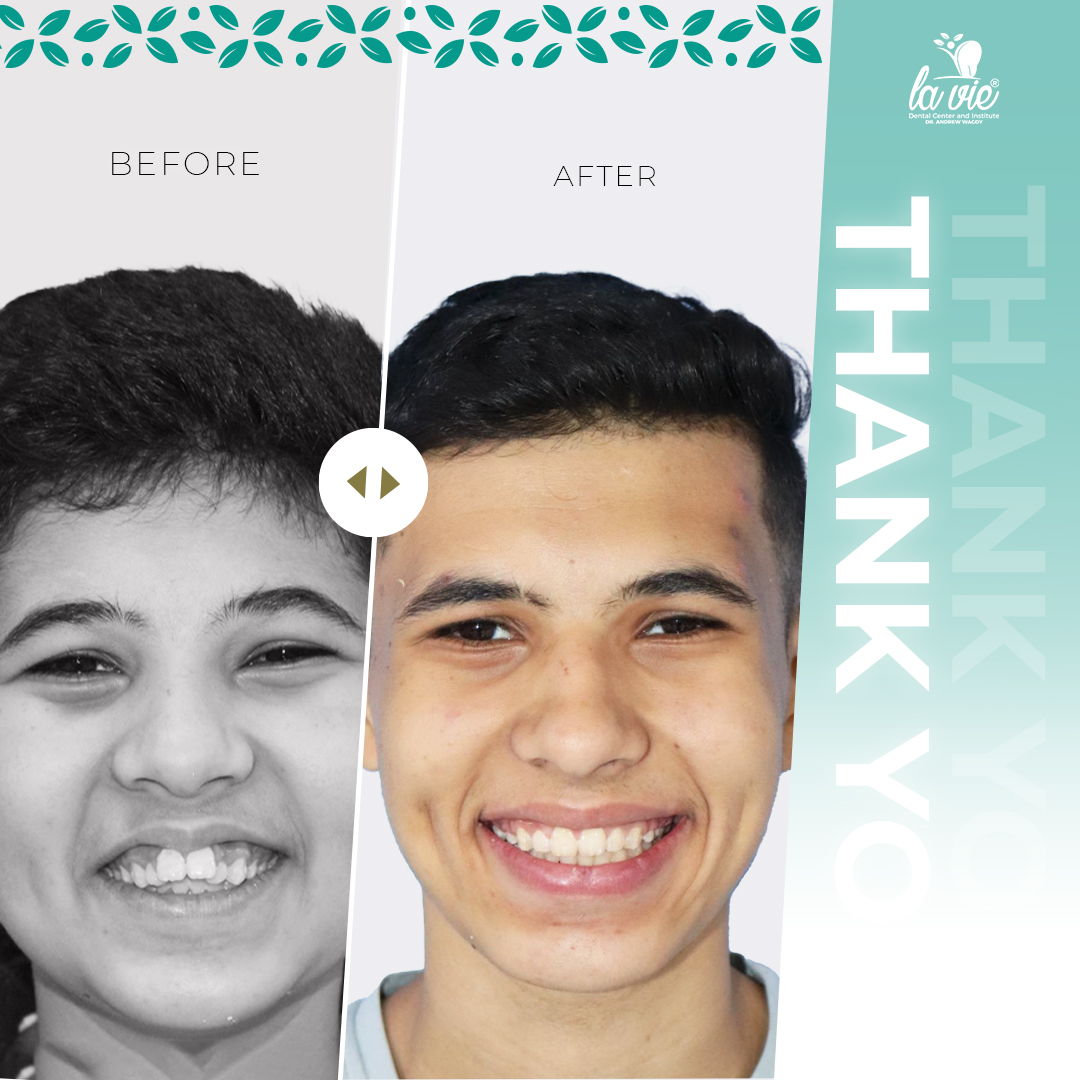
Protruding teeth
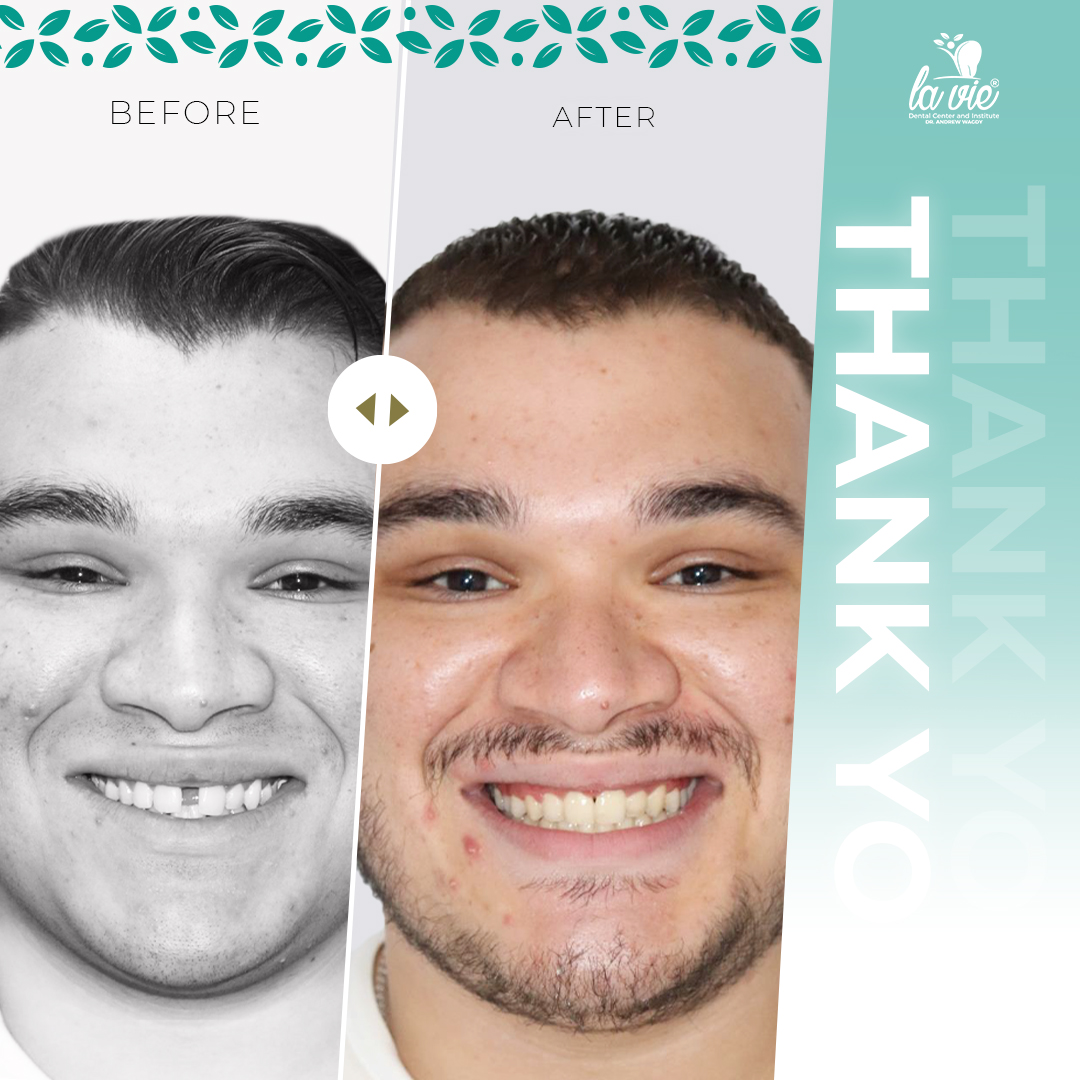
Gaps between teeth
Crossbite or deep bite
Jaw size discrepancies
Uneven tooth sizes
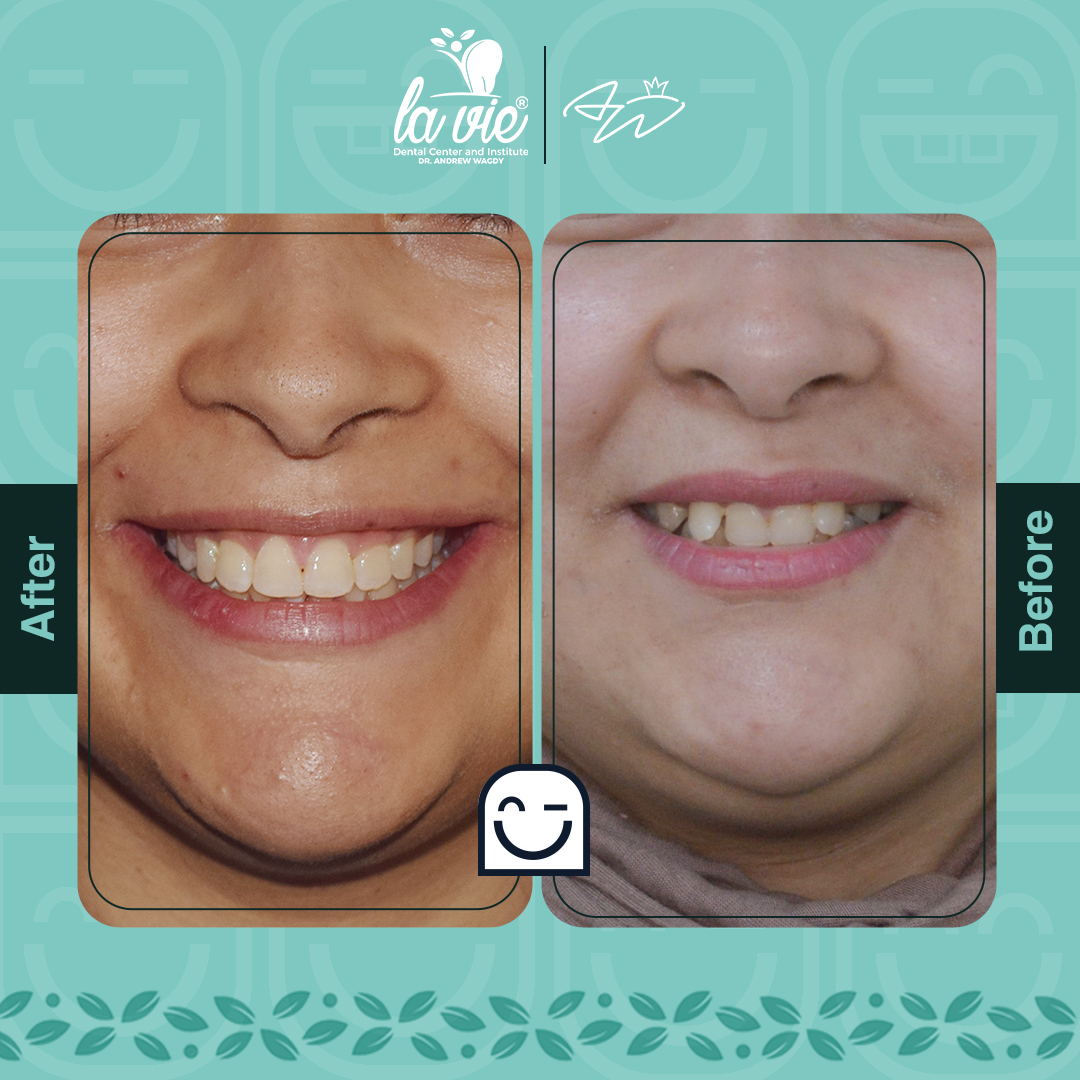
Misaligned or out-of-place teeth
Orthodontics not only enhances the aesthetic appearance of your smile but also improves the functional health of your bite, ensuring proper balance between the upper and lower jaws.
What is the concept of orthodontics?
Orthodontics is the process of correcting the alignment and positioning of teeth to achieve a beautiful smile and a healthy bite.
Aside from aesthetics, braces help:
- Improve breathing by optimizing airflow.
- Enhance speech by improving pronunciation.
- Protect jaw joint health by ensuring proper force distribution when biting.
At what age should my child have their first orthodontic evaluation?
The American Association of Orthodontists recommends that children have their first orthodontic evaluation by age 7. Early assessment helps identify potential issues and determine the best time for treatment.
Can I get braces at an older age?
Absolutely.
There’s no specific age limit for orthodontic treatment. The most important factor is the condition of your teeth.
After examination, we’ll determine the best treatment plan tailored to your case to ensure the best results.
Should I wait until my child is 14 to get braces?
No. Many dental issues can be treated early on to prevent complications.
It’s best to consult a dentist at a younger age to determine if treatment is needed early, rather than waiting.
How long does orthodontic treatment take?
The duration of treatment varies depending on the case and the patient’s age.
It typically ranges from 6 months to 2 years. Simpler cases may take less time.
The estimated duration is determined after examination and reviewing your orthodontic X-rays.
What types of braces are available?
In our clinic, we offer several options to suit your needs:
- Traditional metal braces: the most effective for most cases.
- Clear braces: ideal for adults who prefer a more discreet look.
- Lingual braces: placed on the inner side of the teeth and completely invisible.
- Removable braces: suitable for mild cases or as a post-treatment retention phase.
What’s the difference between metal and clear braces?
Clear braces are nearly invisible and removable during meals,
while metal braces are fixed throughout the treatment.
We choose the best option based on your specific case.
Do I need to extract teeth before getting braces?
In some cases, yes — particularly if there’s severe crowding.
We’ll perform a full assessment to determine if extractions are necessary.
How often will I need to visit the orthodontist?
Most patients visit every 4 to 8 weeks for adjustments and to monitor treatment progress.
Are braces painful?
You may feel mild pressure in the first few days after placement or adjustments, but the discomfort is temporary and manageable.
Can I eat normally with braces?
Yes, but you should avoid hard, sticky, and chewy foods that can damage your braces. Soft foods are recommended after adjustments.
Will braces affect my speech?
You may notice a slight difference during the first week, but it fades quickly as you get used to the appliance.
Will my teeth go back to their original position after removing the braces?
Don’t worry! As long as you wear your retainer after removing your braces, you’ll maintain your straight smile.
The retainer is the key to keeping your results.
Will I need to wear a retainer after treatment?
Yes. Retainers help keep your teeth in their new position and prevent them from shifting after orthodontic treatment is completed.
How much do braces cost?
The cost depends on the type of braces and the treatment duration,
but we offer flexible payment plans and competitive prices.
Can kids get braces on baby teeth?
Yes, in special cases to guide jaw growth and correct bite issues early on.
Is there an alternative to fixed braces for those who don’t want them?
Yes, clear removable aligners (like Invisalign) are a great alternative
and are widely used in our clinic.
What are the most important instructions during orthodontic treatment?
- Brush your teeth after every meal
- Use a special orthodontic toothbrush
- Avoid hard or sticky foods
- Visit your dentist regularly
Can I get braces on just one jaw?
Usually no, because braces are meant to correct the relationship between the upper and lower jaws.
Doing one jaw only can lead to imbalance. That’s why we usually treat both jaws to achieve a healthy and well-aligned bite.
My question isn’t listed here. What should I do?
We have a dedicated group for answering all dental-related inquiries.
Join now — Dr. Andrew Wagdy personally responds to all your questions.
https://www.facebook.com/share/g/fSe9yV5LPBJDLiK2/